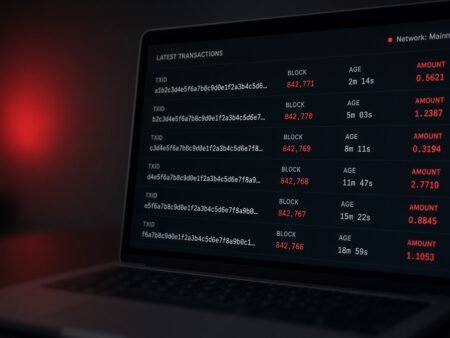
The cashier amount is not always the amount that lands. The network takes a cut on the way out.

Updated September 2026. 18+ only.
What a network fee is
A network fee is what the chain charges to move the coins. Miners or validators take it. The casino does not keep that cut.
A busy Bitcoin or ERC-20 hour costs more than a quiet TRC-20 hour. The fee is usually flat for that send, not a percent of your pile. That is why a $20 cashout can look stupid and a $2,000 cashout can look fine on the same coin.
Two different fees
The chain fee is one line. Some brands also add their own withdrawal fee in the cashier. That second line is theirs. It can be a flat amount, a percent, or “network only.”
Read both before you tap Send. “Zero fees” on a banner often means zero extra cashier fee. The chain still charges.
Who pays it
On a deposit, you pay the network fee from the wallet you send from. The casino should credit what arrived on their address, after the chain took its cut on your side.
On a withdrawal, the casino builds the outgoing transaction. They often subtract the fee from the amount they send. That is why $50 out can land as $49.20. Confirm the amount on the withdraw screen before you confirm, not after the txid exists.
Same coin, different network
USDT on TRC-20 is not USDT on ERC-20. Same ticker. Different chain. Different fee. Different address format. Pick the network the cashier shows for that coin. A cheap network the cashier does not list is not a saving. It is a lost send.
Typical ranges we see on public fee screens. They move. Check your wallet and the cashier the day you send.
| Network | Typical fee band | What it is good for |
|---|---|---|
| USDT / USDC on TRC-20 | Low, often around a dollar or less | Small and mid cashouts |
| USDT / USDC on Solana or BNB | Usually cents when the cashier lists it | Small cashouts if that network is on the page |
| USDT on ERC-20 | Gas. Can jump | Avoid for a $30 send |
| Bitcoin on-chain | Variable. Quiet hours are cheaper | Larger payouts, not dust |
| Lightning / LTC when listed | Usually tiny | Only if the deposit page names that product |
Do not treat this table as a live quote. The cashier and your wallet beat it.
When to wait
If the fee is larger than the edge you just won, wait or switch network. Small cashouts on a heavy chain eat themselves. That is also why cashiers set a minimum. The minimum is often the fee wearing a different shirt.
How long the send takes is a different page: Crypto Casino Deposit and Withdrawal Times.
If the amount that landed looks wrong, get the txid and check the explorer. Do not argue the cashier number without the hash: How to Check a Crypto Deposit.
A whitelist does not change the fee. It only locks the destination: How to Whitelist a Withdrawal Address.
FAQ
Is the fee a casino tax?
Not the network fee. Some brands also add their own withdrawal fee. That line is in the cashier, separate from the chain fee.
Does a whitelist change the fee?
No. It only locks the destination.
Why did I receive less than I requested?
The outgoing send usually deducts the chain fee, and sometimes a cashier fee, from the amount. Open the withdraw ticket and the txid. If both match the cashier, that shortfall is the cut, not a missing transfer.
Should I always use TRC-20?
Use the cheap network the cashier actually lists for that coin. TRC-20 is common for USDT. It is useless if the address on screen is ERC-20.
Last updated September 2026. 18+ only. Fees move. Read the live cashier. This is not a bet.